Marketing Strategy defines why you compete, where you play, and how you win across channels. This guide unpacks core concepts, planning steps, and practical tools that fit companies of any size. You will see how priorities, resources, and measurement align into one coherent roadmap. For tailored roadmaps built around your growth stage, explore MCSmart.
What a marketing strategy really means
A marketing strategy is your focused system for creating demand, not a scattered list of campaigns. It connects your ambition, unique position, and market realities into consistent choices. By stating what you will do and what you will not do, it protects resources and sharpens impact.
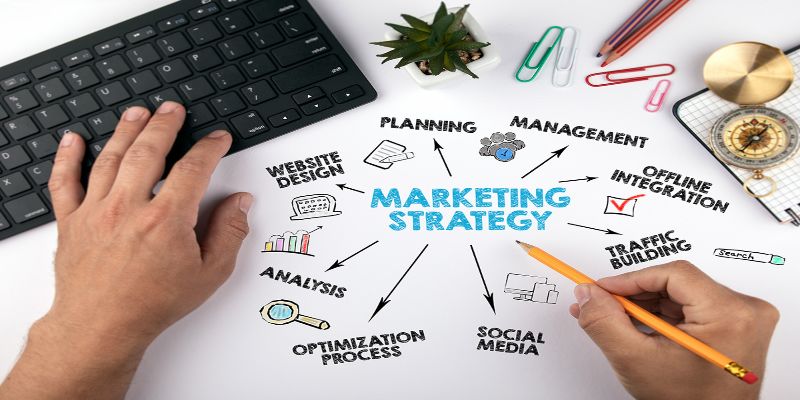
Difference between strategy, plan, and tactics
Strategy decides direction and trade-offs. A plan sequences initiatives over time. Tactics are the specific actions that bring the plan to life. When teams confuse these layers, they chase activity over outcomes. A strong Marketing Strategy sets the frame, so plans flow coherently and tactics compound into brand and revenue gains.
The essential building blocks
Every effective strategy aligns five elements: objectives, audience, positioning, value proposition, and routes to market. Objectives mark the destination. Audience defines who matters most. Positioning clarifies how you are different. Value explains why you are worth it. Channels and motions deliver that value repeatedly. Connecting these blocks creates clarity across functions.
How positioning drives choices
Positioning shapes language, pricing power, and channel selection. A challenger brand might stress speed and simplicity, prioritizing product-led growth and social proof. An enterprise player may elevate risk reduction and compliance, leaning into ABM and executive content. When positioning is crisp, marketing strategy becomes a clear filter for creative and investment decisions.
From objectives to measurable outcomes
Translate ambition into specific, time-bound outcomes linked to revenue and retention. Replace “increase awareness” with “lift aided recall by 12% in six months.” Tie demand goals to pipeline quality and sales velocity. Add guardrails, like acceptable CAC or payback windows. Clear outcomes let teams test tactics without losing sight of what truly matters.
Common myths to avoid
More channels rarely equal more growth. Creativity is not the opposite of rigor. Brand and performance are not rivals; they are interdependent. Data does not replace judgment, it informs it. The biggest myth is that a Marketing Strategy is a deck. In reality, it is a set of decisions you commit to and revisit with evidence.
Step-by-step process to build your roadmap
Building a roadmap starts with clarity on context and constraints. Then you prioritize a few pivotal bets that align resources with opportunity. Your plan translates those bets into sequenced work, with milestones and metrics that reflect strategic intent.

Audit your market and internal context
Start with external and internal truth. Size your category, map growth pockets, and analyze rivals beyond features. Examine your funnel data, win-loss patterns, and unit economics. Assess brand assets and technical debt. This context prevents wishful thinking and anchors marketing strategy to reality, making every next decision more defensible and more durable.
Define your target segments and personas
Segment by problems and triggers, not just firmographics. Identify the moments when pain becomes priority, and the stakeholders who shape consensus. Build personas around decisions, objections, and success metrics. Use interviews and behavioral data to validate. Precise targeting concentrates spend, elevates relevance, and increases conversion velocity across your chosen routes to market.
Craft a differentiated value proposition
Articulate the unique value you create and the proof that substantiates it. Link benefits to pains with tangible outcomes: time saved, risk reduced, revenue unlocked. Create messaging hierarchies for awareness, consideration, and decision stages. A tight value proposition turns Marketing Strategy into compelling narratives that scale consistently across sales decks, websites, and campaigns.
Select channels and craft integrated plays
Pick fewer, better channels where your audience already pays attention. Pair long-term brand systems with near-term demand motions that harvest intent. Integrate creative concepts so stories travel coherently from video to email to in-product nudges. Integration compounds memory and efficiency, lifting both reach and response without inflating budgets or fragmenting teams.
Set metrics, budgets, and governance
Design a measurement spine that connects activities to business outcomes. Define input metrics for pace, output metrics for quality, and outcome metrics for impact. Allocate budgets to learning agendas, not only to channels. Establish decision rights and escalation paths. With governance in place, marketing strategy remains steady while day-to-day tactics adapt quickly.
Making a marketing strategy work in execution
Execution turns decisions into results. You need an operating cadence that aligns teams, surfaces learning, and reallocates capital without losing focus. When feedback loops are tight, the plan stays resilient through change while compounding advantages over time.
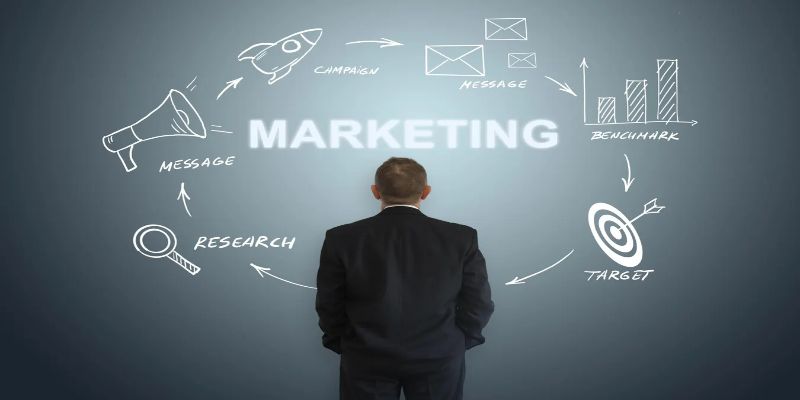
Operating cadence and cross-functional alignment
Set a quarterly strategy checkpoint, monthly plan reviews, and weekly standups across marketing, product, and sales. Tie priorities to a shared roadmap and shared KPIs. Use pre-read memos to focus discussions on decisions, not updates. This rhythm makes your Marketing Strategy the heartbeat of the company, not a separate document that gathers dust.
Creative testing and learning cycles
Treat creative as an ongoing experiment. Test messaging angles, visual systems, and offers against hypotheses rooted in your positioning. Use holdouts and sequential testing to isolate effects. Archive learnings in a searchable library. Over time, these cycles refine marketing strategy and reduce waste, because teams create with evidence rather than with guesswork.
Balancing brand and performance
Brand builds future demand; performance captures present demand. Allocate spend based on growth stage and payback windows. Maintain consistent codes—logos, colors, phrases—so performance assets also build memory. When brand and performance share creative territories and measurement, your Marketing Strategy earns both immediate results and lower acquisition costs over the long term.
Budget allocation and scenario planning
Plan budgets with base, push, and pull scenarios. In the base case, fund proven channels at efficient levels. In push scenarios, invest in emerging bets with clear exit criteria. In pull scenarios, have a backlog of ready-to-scale plays. Scenario planning lets marketing strategy move quickly without undermining financial discipline.
Tools, dashboards, and reporting rhythms
Build a lean stack that supports your strategy. Prioritize data quality, governance, and shared definitions over tool count. Create dashboards for executives, operators, and creatives, each with the right depth. Standardize reporting cadences and templates. When everyone sees the same truth, decisions align faster, and compounding gains become visible sooner.
Conclusion
Marketing Strategy is the durable system that links positioning, priorities, and execution into compounding growth. When you commit to clear choices and disciplined learning, every campaign builds the next advantage. Keep the strategy steady, and let tactics evolve with evidence and momentum. For expert support designing that system, visit MCSmart.