Marketing Automation Trends are redefining how brands plan, execute, and optimize campaigns across every channel. This guide distills what matters now, what is hype, and how to act with confidence. You will see how data, AI, and consent shape durable growth. For tailored execution and faster lift, consider a partner like MCSmart that builds automation for real outcomes.
Why Marketing Automation Trends Matter In 2026
Budgets are tight, expectations are high, and privacy rules keep changing. Teams must prove impact while delivering relevant experiences at every touchpoint. Understanding the most material shifts lets you prioritize investments and avoid waste.
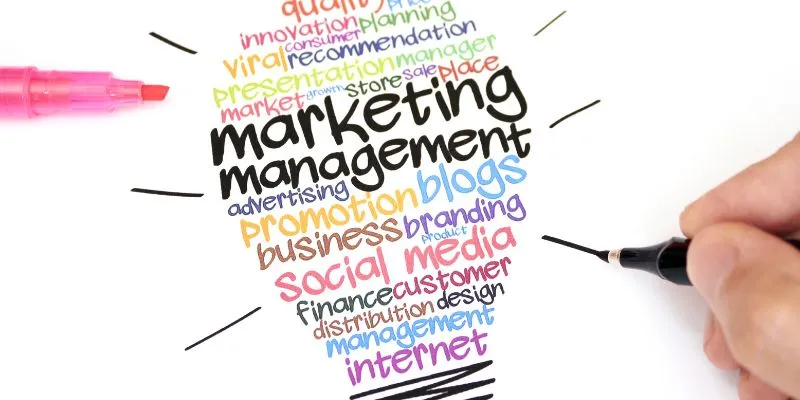
Modern stack decisions are now business strategy, not just tooling choices. The leaders who track Marketing Automation Trends translate data into journeys, not just dashboards. They win by aligning people, process, and platforms around the customer.
Privacy-first growth and the rise of first-party data
Third-party cookies fade, so first-party data becomes the growth engine. Value exchanges like calculators, content hubs, and loyalty unlock richer profiles with consent. Clean collection plus transparent messaging builds trust while improving match rates. Marketers are moving to server-side tagging, unified IDs, and preference centers. These enable durable targeting without brittle hacks. The payoff is better segmentation and cheaper conversions across paid and owned media.
AI’s real role in Marketing Automation Trends
AI accelerates segmentation, content variants, and journey decisions, but governance matters. Human-in-the-loop reviews keep outputs on-brand and compliant. Teams pair AI scoring with business rules to avoid costly false positives. Expect copilots embedded in CRMs, MAPs, and analytics. They convert noisy data into prioritized tasks. This is where Marketing Automation Trends turn from theory into daily productivity gains.
Omnichannel orchestration that feels personal
Customers expect one conversation across email, SMS, ads, and web. Orchestration tools listen for intent and pick best-next actions in real time. Dynamic content blocks adapt offers and tone without manual rewrites. Consistency beats frequency. Brands unify templates, naming, and audiences so every send learns. The result is higher engagement and fewer unsubscribes across the full journey.
Technologies Reshaping Workflows And Teams
Tools are converging around data, decisions, and delivery. Instead of siloed point solutions, platforms emphasize interoperability. This reduces manual exports and accelerates testing velocity. As these Marketing Automation Trends mature, success depends on integration quality and adoption. Teams that document processes and SLAs unlock the real ROI, not just license usage.
Customer data platforms and clean rooms
CDPs unify consented profiles, events, and traits into a single view. Clean rooms let you collaborate with partners while keeping raw PII protected. Together they improve attribution, lookalikes, and personalized experiences. Focus on identity resolution, schema discipline, and activation speed. Great CDPs make audiences and journeys adjustable in minutes, not weeks.
Predictive lead scoring and routing
Predictive models surface accounts likely to convert or churn. Weighted intent, fit, and engagement drive smarter prioritization and SLAs. Sales gets fewer, better leads while marketing proves pipeline influence. Keep humans in control of thresholds and handoff rules. That balance anchors Marketing Automation Trends in outcomes, not novelty.
Chatbots, copilots, and sales enablement
Conversational tools capture intent 24/7 and qualify in real time. Copilots summarize calls, draft follow-ups, and suggest content by persona. Reps spend more time selling and less time clicking through systems. Measure bot containment, handoff quality, and revenue assisted by automation. Use those insights to refine scripts and escalation logic.
Implementing A Future-Ready Automation Roadmap
Execution beats aspiration. Start with a clear north-star metric, then map the fastest path to value. Build momentum with two to three journeys that touch revenue in 90 days. As you scale, codify operating principles. A living playbook keeps Marketing Automation Trends practical and aligned to business goals.

Audit your stack, data, and processes
Inventory tools, owners, and cost. Document fields, events, and syncs to expose debt and gaps. Rate each connection for reliability and latency before you add new features.Capture current journeys, handoffs, and content libraries. The audit becomes your blueprint for quick wins and safe deprecations.
Design lifecycle journeys that compound
Prioritize moments that drive revenue: acquisition, onboarding, expansion, and win-back. Use triggers and suppressions to avoid collisions and fatigue. Every journey should have a test plan and a sunset rule. Align copy, offer, and channel with intent stage. This is where Marketing Automation Trends translate into sustained lift.
Governance, consent, and data quality
Define who can build, approve, and publish. Enforce naming, versioning, and UTM standards. A change log and rollback plan protect brand and revenue. Make consent status, source, and purpose visible across tools. Better hygiene reduces risk and improves deliverability.
Measuring ROI, Learning Faster, And Scaling Wins
Leaders tie automation to outcomes everyone understands. Pick a primary KPI and a few guardrails like CAC, LTV, or churn. Dashboards should power decisions, not decorate slides. Mid-journey feedback loops keep Marketing Automation Trends compounding. If you need a proven measurement framework, the team at MCSmart builds instrumentation that makes next steps obvious.

Attribution that answers “what moved the needle?”
Use multi-touch models for strategic insight and incrementality tests for truth. Set holdouts for key journeys to quantify lift. Combine modeled influence with source-of-truth revenue from finance systems. Keep methodology simple and consistent. Trend lines beat one-off hero metrics.
Testing frameworks that drive confident decisions
Adopt a weekly testing cadence with prioritization by impact and effort. Pre-register hypotheses and stop-loss rules to reduce bias. Archive results so learnings compound across teams and quarters. Use bandits for creative rotation and A/B for structural shifts. This discipline anchors Marketing Automation Trends in repeatable growth.
From pilots to scale without the chaos
Promote experiments to production only after reliability and ROI thresholds. Package them as reusable templates with clear owners. Create enablement sessions, not just docs, to speed adoption. Resource maintenance time in every sprint. Scaling is a process, not a switch.
Conclusion
Marketing Automation Trends are about precision, consent, and compounding wins, not shiny tools. Start with first-party data, align teams around journeys, and measure what proves value. Put AI to work with governance, then scale what works. When you need expert hands to accelerate the plan, MCSmart is ready to help turn your roadmap into measurable revenue.